The technique
Alugraphy
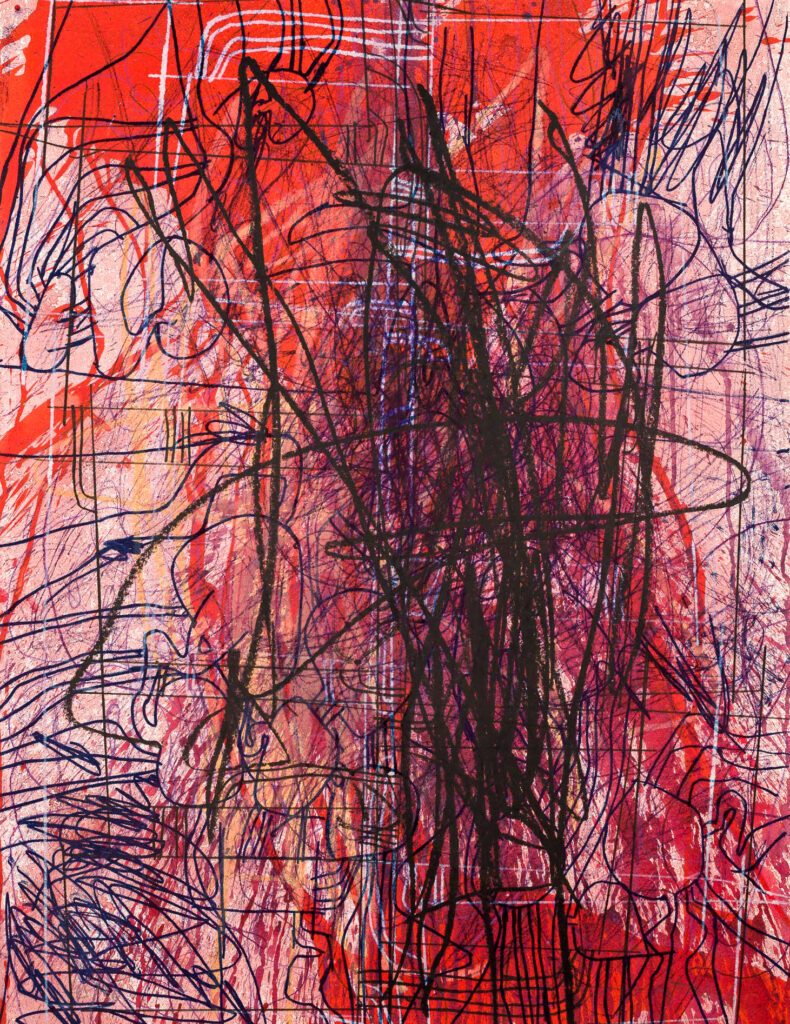
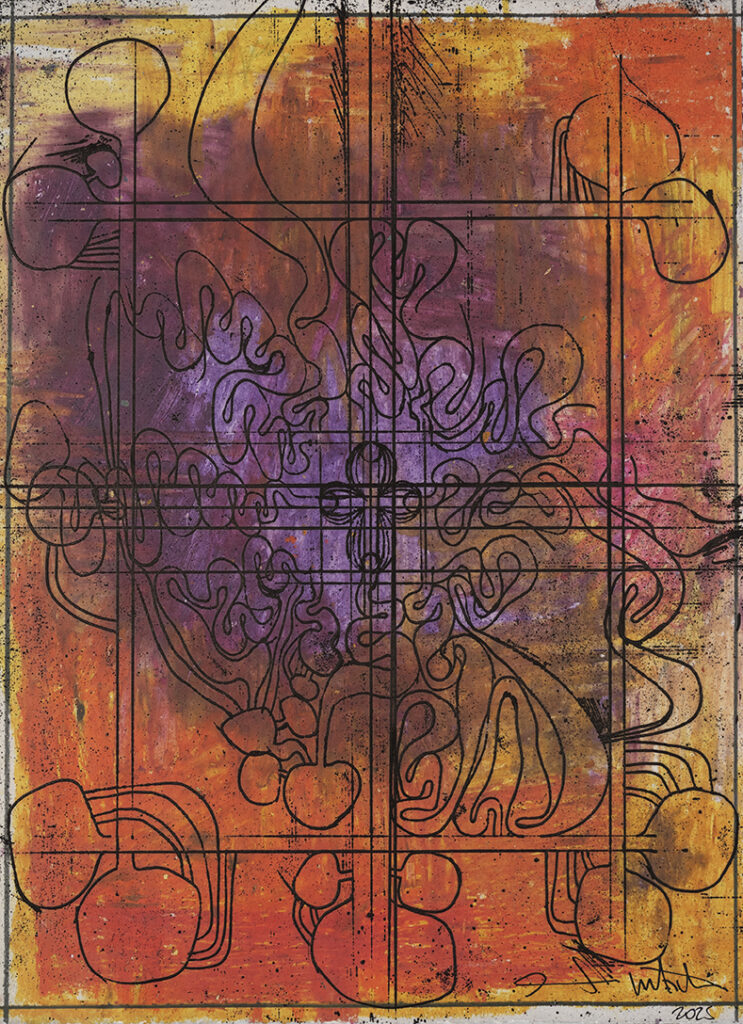
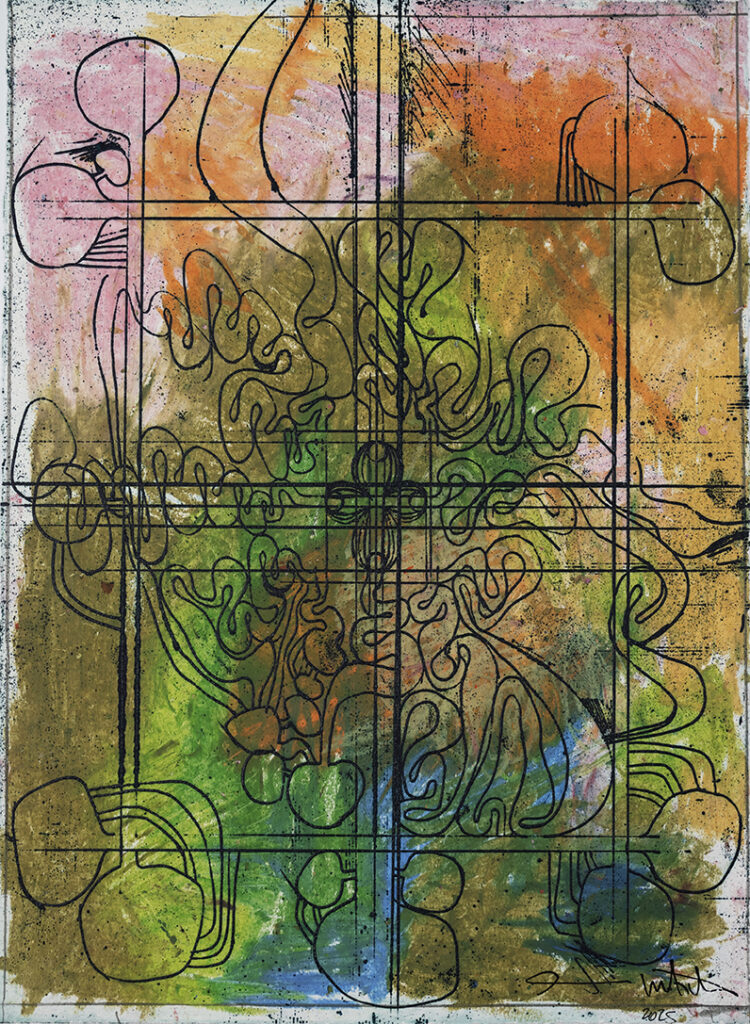
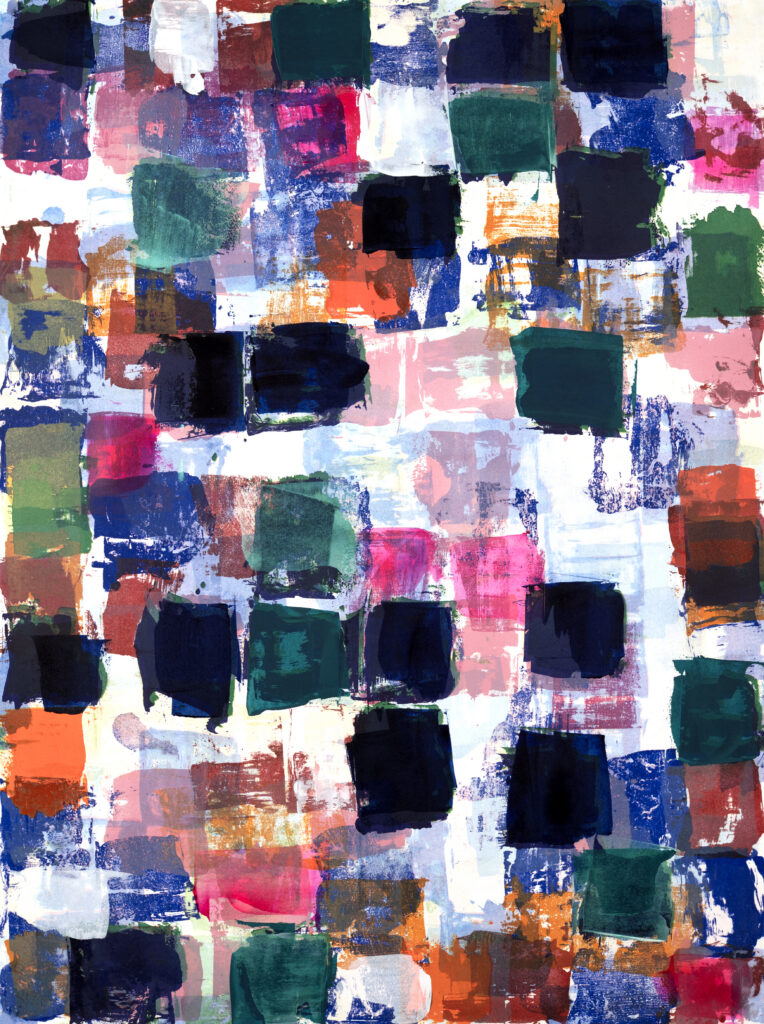
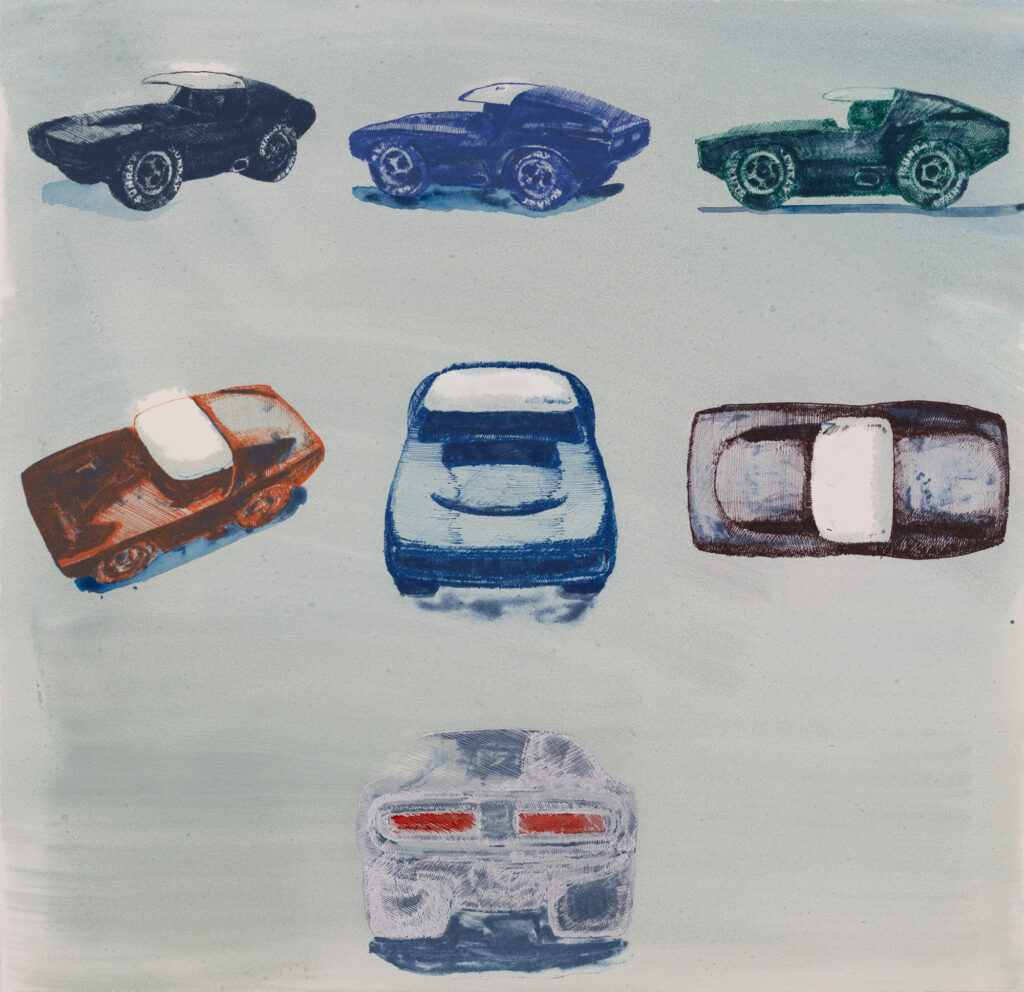
Classic lithography is made with stones. Based on this, the process has been further developed since the 1950s and soon also practiced in art prints.
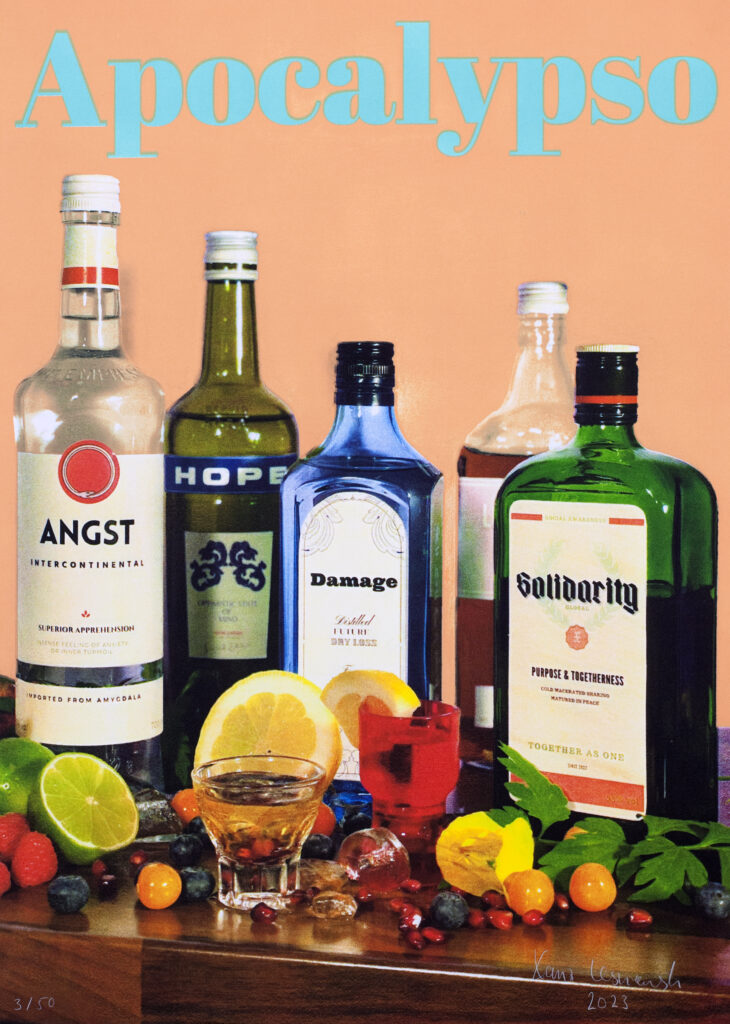
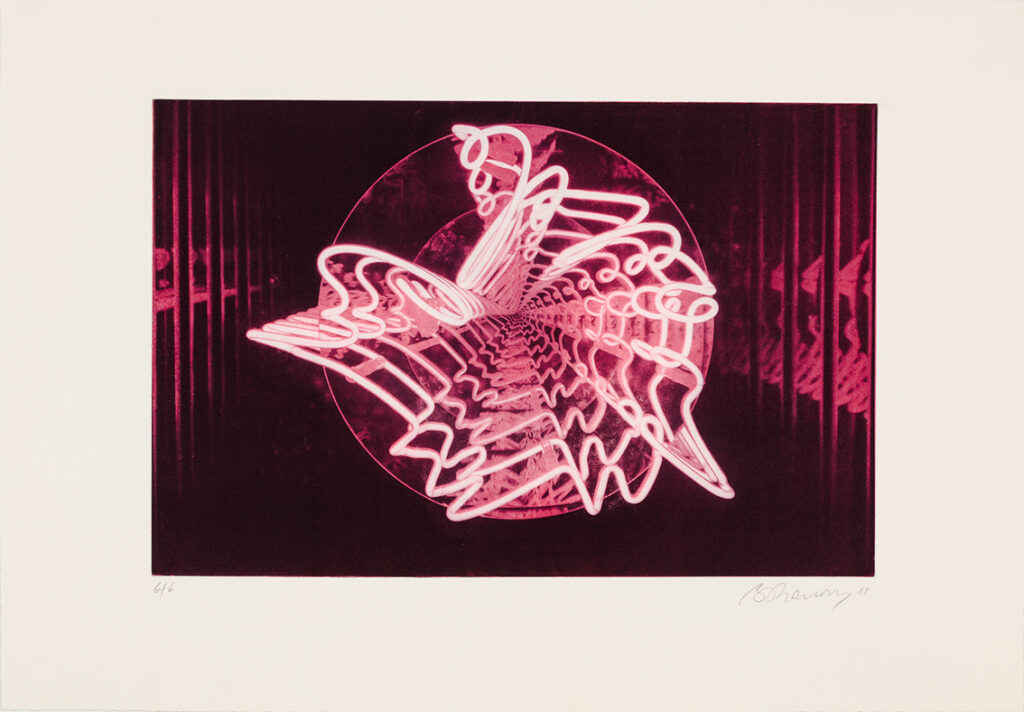
Alugraphy uses thin aluminum plates with a UV-sensitive layer. The motif is exposed onto the aluminum plate using a strong UV lamp and then fixed to the plate in a chemical bath. After this process, the plate can be inked and printed.
Analog: The motif can be drawn or painted on a transparent foil using various materials such as oil pastels, graphite, lightfast felt-tip pen, acrylic paint or black ink.
Digital: The motif can be digitally separated or broken down into the basic colors or extra layers. The plates are made from these layers.
This planographic printing process is based on the following principle: Exposing the plate creates oleophilic (oil-friendly) and hydrophilic (water-friendly) areas. When the plate is inked, only the oleophilic areas accept the printing ink and thus create the printed image.
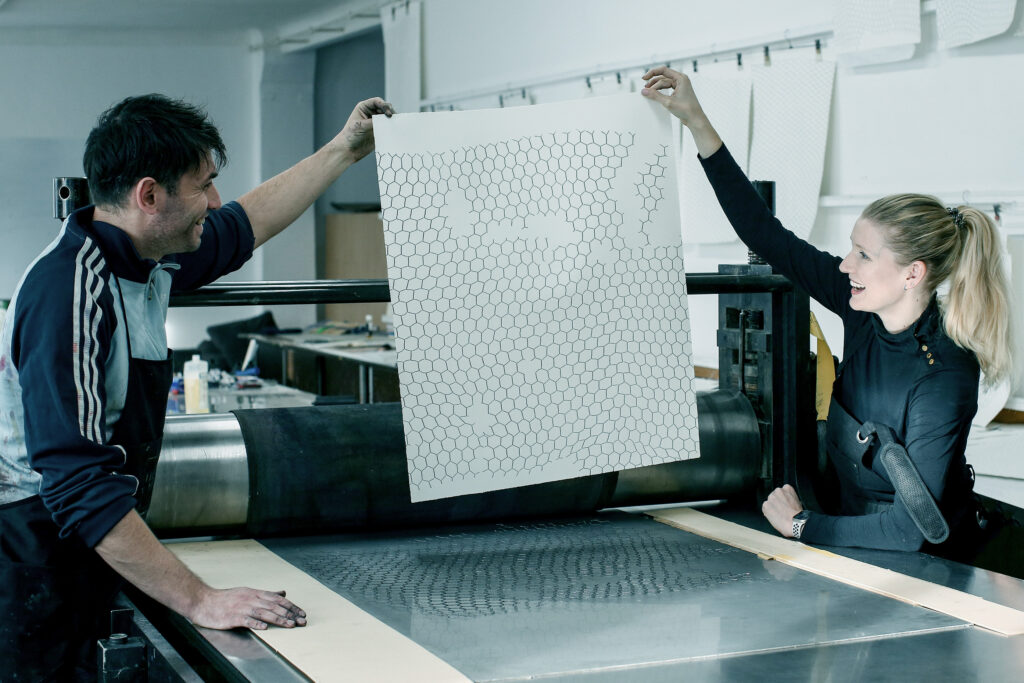
The plates are inked by hand and printed color by color or plate by plate in the etching press. The plates must be cleaned and colored again after each process.
Kurt Zein used this technique to develop unique print editions as a specialty of the workshop at the end of the 1980s.
The artist
Hermann Nitsch
Hermann Nitsch, *1938 – † 2022, lived and worked in Vienna and Prinzendorf.
He was an Austrian actionist, painter, graphic artist, composer and stage designer.
Hermann Nitsch is a main founder of the Viennese Actionism and one of the most versatile contemporary Austrian artists with international reputation. Later actionist, painter, graphic artist, composer and stage designer, the artist initially went through a largely graphic preoccupation with Expressionism and religious scenes. After 1960, Nitsch turned to the Informel and the abstract painting, which he promoted effectively in painting actions and the Orgien Mysterien Theater, taking place in many European and North American cities. His oeuvre includes the use of all five senses, whereby a tragic element finds expression in the often close encounter with the flesh, blood and guts of animals. The highlights of Hermann Nitsch's projects are the "3-Tage-Spiel" (Three Days of Play) in 1984 in Prinzendorf, the "6-Tage-Spiel" (6 Days of Play), which Nitsch was able to realize in 1998, and his renowned series of mainly large-scale poured paintings.
Kurt Zein had contact with the Viennese Actionists as early as the 1960s. For the first collaboration with the Druckwerkstatt für handgedruckte Original Grafik, Hermann Nitsch created a line etching and poured pig's blood on mould paper. Over the years, the artist, together with Kurt Zein, expanded his technical vocabulary, including the techniques of vernis mou, alugraphy and aquatint.